
Expert Care for Acute Coronary Syndrome (ACS) in Mahishadal
At Healing Touch Nursing Home, we provide expert care for Acute Coronary Syndrome (ACS), a serious heart emergency caused by reduced or blocked blood flow to the heart. Early recognition and timely treatment are crucial to protect heart muscle and prevent complications.
Symptoms may include chest heaviness, shortness of breath, unusual fatigue, sweating, or a general feeling of discomfort—not always severe chest pain. As a trusted hospital in Mahishadal, we focus on quick evaluation, accurate diagnosis, and personalised treatment when every minute counts.
With the right guidance, timely intervention, and compassionate care, Healing Touch Nursing Home is committed to supporting better heart health and confident recovery.
What is an ACL (Anterior Cruciate Ligament) Injury?
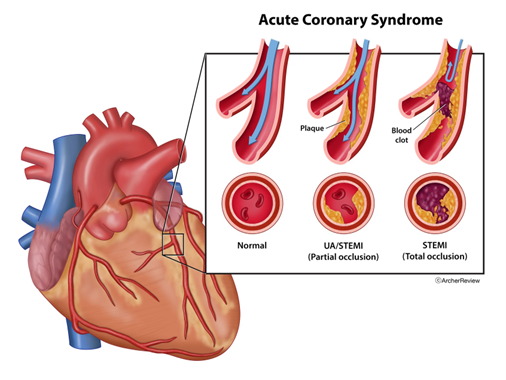
People often come to the hospital with chest discomfort or sudden breathlessness, unsure of what’s happening. Acute Coronary Syndrome includes several serious heart conditions where the heart does not receive enough blood. These situations need quick medical attention.

Heart Attack
A heart attack occurs when blood flow to the heart suddenly stops. Symptoms may include chest pain, sweating, nausea, or pain spreading to the arm or jaw. Some people only feel unusual tiredness or shortness of breath. Early treatment helps reduce heart damage.
Unstable Angina
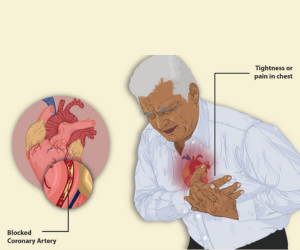
This causes chest pain that can start even at rest. The discomfort may feel stronger or last longer than usual. It often signals that a heart attack could happen soon and should never be ignored.
Blocked or Narrowed Heart Arteries
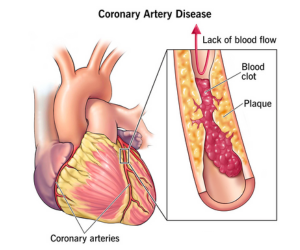
When fat and plaque build up in the heart arteries, blood flow reduces. This can cause chest tightness, breathlessness, or sudden heart problems. Timely care helps restore circulation and protect heart health.
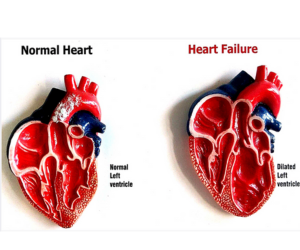
Heart Failure
ACS can sometimes lead to or worsen heart failure, where the heart cannot pump blood efficiently. Symptoms may include extreme fatigue, swelling in the legs, breathlessness, or rapid heartbeat. Early detection and management are essential to prevent complications.
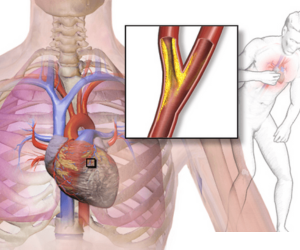
Repeated Chest Pain
Chest pain that comes and goes may seem harmless, but it can be a warning sign. Careful evaluation helps prevent more serious heart events.
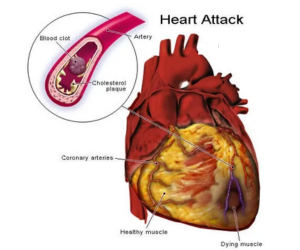
After-Effects of a Heart Attack
Chest pain that comes and goes may seem harmless, but it can be a warning sign. Careful evaluation helps prevent more serious heart events.
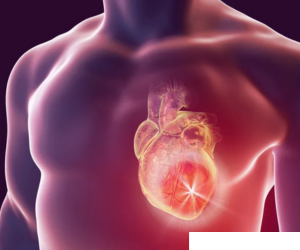
High-Risk Heart Symptoms
Sudden breathlessness, dizziness, sweating, or extreme fatigue—especially in people with diabetes or high blood pressure—are treated as possible heart emergencies.
Chest discomfort or sudden breathlessness should never be ignored. Seek immediate medical care for timely heart evaluation.
How to Reduce the Risk of Acute Coronary Syndrome
ACS doesn’t usually happen overnight. Risk builds slowly over years. Conditions like high blood pressure, diabetes, smoking, high cholesterol, lack of exercise, and ongoing stress all increase the risk. Over time, these factors can also weaken the heart muscle, sometimes leading to cardiomyopathy if left unmanaged.
The good news is that small changes help. Regular walks, balanced meals, quitting smoking, managing stress, and taking medicines on time protect the heart more than people think.
If heart disease runs in your family, regular check-ups are not optional—they are essential.
If you have heart risk factors or a family history of heart disease, schedule a heart check-up for early detection and prevention.
Why Choose Healing Touch Nursing Home for Acute Coronary Syndrome Care
At Healing Touch Nursing Home, heart emergencies are treated with urgency and care. When a patient comes in with chest pain or breathlessness, there is no waiting.
As a trusted Hospital in Mahishadal, the team focuses on early diagnosis, fast treatment, and close monitoring.
Immediate Evaluation
Symptoms are assessed right away. ECG and blood tests are done without delay.
Constant Monitoring
Heart rhythm, oxygen, and blood pressure are tracked closely so that even small changes are caught early.
Prompt Treatment
Medications are started immediately to stabilise the heart and improve blood flow.
Advanced Care Support
If serious blockages are found, angioplasty or referral for bypass surgery is arranged with higher centres.
Recovery and Follow-Up
Once stable, patients receive clear guidance on medicines, diet, activity, and follow-up care to support long-term heart health.
Frequently Asked Questions
What is the first step in treating ACS?
Emergency medicines and monitoring are started immediately to protect the heart.
How do doctors confirm ACS?
Through symptoms, ECG changes, blood tests, and sometimes angiography.
Can symptoms be mild at first?
Yes. Many patients feel mild discomfort before symptoms worsen. Never ignore chest-related complaints.
How long does recovery take?
Recovery varies. Some patients improve within weeks, while others need longer follow-up and rehabilitation.
Disclaimer: The content shared on this page is for informational purposes and not for promotional use.