

Pregnancy is a beautiful journey, but it also brings several physical changes in the body. One of the earliest and most common changes many women experience is breast pain or tenderness. While it can feel uncomfortable or sometimes concerning, it is usually a normal part of pregnancy.
At a trusted Hospital in Mahishadal, healthcare professionals often reassure expecting mothers that breast pain is a natural response to the hormonal and physical changes taking place during pregnancy. Understanding these changes can help women feel more confident and prepared throughout their pregnancy journey.
What does breast pain feel like?
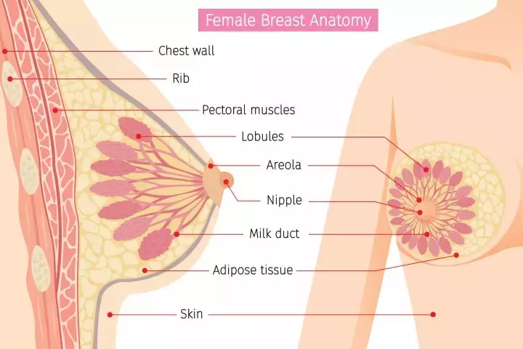
Every woman experiences it differently, but common feelings include:
- Mild to moderate soreness
- Heavy or full feeling in the breasts
- Tingling or sensitivity in nipples
- Pain when touching or pressing the area
- Increased size of breasts
Some women may feel this discomfort even before they confirm pregnancy.
Talk to a pregnancy care expert today and get safe, gentle guidance for your breast pain concerns.
Is breast pain normal in pregnancy?
Yes, in most cases breast pain during pregnancy is completely normal. It is one of the early signs that your body is adjusting to pregnancy hormones.
The discomfort usually becomes more noticeable in the first trimester and may reduce as the body adapts to hormonal changes. Regular prenatal check-ups can help ensure that both mother and baby remain healthy throughout the pregnancy, whether you are preparing for a normal delivery or receiving additional care for a high-risk pregnancy.
However, if you notice severe pain, lumps, redness, or unusual discharge, it is important to consult a doctor.
How to get relief from breast pain
Although you may not be able to stop the changes happening in your body, there are simple ways to reduce discomfort:
- Wear a soft, supportive maternity bra
- Avoid tight or wired bras
- Use warm or cold compress depending on comfort
- Sleep on your side with proper support
- Keep good posture during daily activities
- Stay relaxed and avoid stress
Small lifestyle changes can make a big difference in comfort levels.
When should you see a doctor?
You should seek medical advice if:
- Pain is only on one side
- You feel a hard lump that doesn’t go away
- There is redness or warmth in the breast
- Pain is severe or unusual
- You have fever along with breast discomfort
It’s always better to get checked if something doesn’t feel right.
Book your consultation now and understand your pregnancy symptoms with professional support.
Final thoughts
Breast pain during pregnancy is usually a normal and temporary condition caused by hormonal changes. While it may feel uncomfortable, it is often a sign that your body is preparing for motherhood.
With proper care, support, and awareness, this phase becomes much easier to manage. If the pain becomes severe, persistent, or is accompanied by unusual symptoms, it is important to consult a healthcare professional for proper evaluation.
A trusted Hospital in Mahishadal can provide expert pregnancy care, guidance, and support to help expecting mothers enjoy a safe and healthy pregnancy journey.
Frequently Asked Questions
1. Is breast pain an early sign of pregnancy?
Yes, breast tenderness or soreness is often one of the earliest signs of pregnancy due to hormonal changes in the body.
2. How long does breast pain last during pregnancy?
Breast pain is usually more noticeable in the first trimester and may reduce as the body adjusts to pregnancy hormones. However, some women may experience it throughout pregnancy.
3. Can breast pain during pregnancy be severe?
Most of the time it is mild to moderate. Severe or one-sided pain should be checked by a doctor to rule out any underlying issues.
4. What helps relieve breast pain during pregnancy?
Wearing a supportive bra, avoiding pressure on the breasts, using warm or cold compresses, and maintaining good posture can help reduce discomfort.
5. Should I worry about breast lumps during pregnancy?
Not always, but any new or persistent lump should be evaluated by a healthcare professional to ensure it is not serious.
Disclaimer: The information shared in this content is for educational purposes only and not for promotional use.
