
Pregnancy changes everything about your body. While a lot of those changes are ones you’ve been looking forward to, some are just uncomfortable. Pelvic pain is one of them. It’s surprisingly common, yet most women don’t bring it up because they’re not sure if what they’re feeling is normal or something to worry about.
For some women, it’s a low, heavy ache that settles in and stays. For others, it’s a sudden sharp pain that catches them off guard when they stand up from the sofa, roll over in the middle of the night, or try to climb a flight of stairs. Things that used to be completely automatic can start to feel like a bit of an ordeal.
Mild pelvic discomfort is, in most cases is a normal part of pregnancy. But understanding what’s behind it and knowing when it’s time to call your doctor, makes a real difference to how you feel day to day.
At Healing Touch Nursing Home, we’re with you at every stage of this journey. Here’s what you should know.
What Does Pelvic Pain During Pregnancy Feel Like?
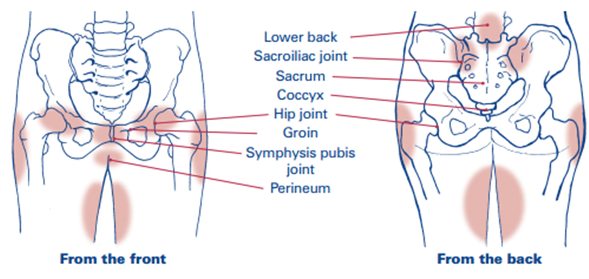
No two women experience it quite the same way. Some describe a constant dull ache deep in the lower abdomen or between the hips. Others get sharp, sudden pain with movement that disappears as quickly as it came.
You might notice:
- A heavy or dragging feeling low in the pelvis
- Pain that travels to your lower back, buttocks, or inner thighs
- A clicking or grinding sensation in your pelvic joints when you walk
- Pain that builds with activity and eases when you rest
- Discomfort on one or both sides of your pelvis
A lot of women also experience round ligament pain in the second trimester. As your uterus grows, the ligaments that support it have to stretch to keep up, and that stretching can cause a brief, sharp pain in your lower abdomen or groin. It often happens when you stand up quickly, sneeze, cough, or shift positions suddenly. It can feel alarming the first time, but it’s very common.
Is Pelvic Pain Normal During Pregnancy?
For the most part, yes. Pelvic pain is more common in pregnancy than many women expect. Nearly one in five experience it at some point, and it rarely follows a predictable pattern. Some women feel it in the early weeks, while others only notice it in the second or third trimester, as the baby grows and the body has increasingly more to manage.
This is one of the reasons regular antenatal check-ups matter so much. Your doctor can keep track of how things are developing, offer reassurance when everything is progressing as it should, and flag anything that warrants a closer look — often before it has a chance to become a more significant issue.
A number of factors can contribute to pelvic pain during pregnancy:
Hormonal changes: From early in pregnancy, your body begins producing a hormone called relaxin. Its role is to gradually loosen the ligaments and joints in your pelvis, creating space for your growing baby and preparing your body for birth. This is a completely normal and necessary process — but the reduced joint stability that comes with it is frequently what underlies the discomfort many women experience.
A growing baby: As your uterus expands, it places steadily increasing pressure on your pelvic floor, bladder, muscles, and the ligaments that hold everything in place. Because this happens gradually, pelvic pain often creeps up rather than arriving all at once — which is why it tends to become more noticeable as the months go on.
Changes in posture: As your bump grows, your centre of gravity shifts, and your body instinctively adjusts — changing the way you stand, walk, and carry yourself without you necessarily being aware of it. Over time, these postural changes place additional strain on your lower back and pelvis, and the resulting discomfort isn’t always something women immediately connect to the way their body has been compensating.
Your baby’s position: In the final weeks of pregnancy, your baby’s head typically moves lower into the pelvis as the body prepares for birth. This is an encouraging sign that things are progressing well — but it can also leave the pelvic area feeling heavier, fuller, or more tender than it did before.
While pelvic discomfort is a common part of pregnancy, severe or sudden pain should always be assessed by your doctor — no matter how far along you are.
How Can You Relieve Pelvic Pain?
The good news is that pelvic pain during pregnancy is rarely something you simply have to endure. Most women find that a combination of small, practical changes and the right support can make a meaningful difference to how they feel day to day.
Take regular breaks. Pay attention to which activities make the pain worse — repeatedly climbing stairs, standing for extended periods, or carrying heavy bags are common culprits. Where possible, scale back on these and give your body the rest it’s asking for. Pushing through discomfort rarely helps and can make things worse over time.
Use a warm compress. Applying gentle warmth to the pelvic area can help ease muscle tension and provide some relief. Use a warm — not hot — compress, and always keep heat away from your abdomen during pregnancy.
Try a maternity support belt. A support belt or pelvic girdle works by redistributing some of the load away from your pelvic joints. If you spend a lot of time on your feet, many women find this makes a noticeable difference by the end of the day.
Adjust your sleeping position. Lying on your side with a pillow between your knees helps keep your pelvis in a more neutral alignment through the night. It’s a simple change, but one that can significantly reduce stiffness and pain by morning.
Stay gently active. It might feel counterintuitive when you’re in pain, but keeping your body moving — carefully and within your limits — is generally beneficial. Pelvic floor exercises help strengthen the muscles that support your pelvis, and low-impact activities like flat-ground walking or swimming are safe options for most women. The aim is not to push through pain, but to avoid becoming completely sedentary.
Consider physiotherapy. If pelvic pain is starting to affect your quality of life, a physiotherapist with experience in pregnancy care is well worth seeing. They can assess your individual situation and put together a targeted plan — specific exercises, manual therapy, and practical guidance — that goes beyond general advice. Many women also find that physiotherapy during pregnancy contributes to a more comfortable labour.
Be mindful of how you move. Everyday habits matter more than most people expect. Try to avoid crossing your legs, carrying weight unevenly on one hip, or making sudden twisting movements. When getting in and out of bed or a car, keep your knees together and move both legs at the same time — it reduces the rotational strain on your pelvis and can prevent those sharp, catch-your-breath moments.
When Should You See a Doctor?
Mild, manageable pelvic discomfort usually isn’t cause for alarm, but some symptoms do need prompt attention.
Get in touch with your doctor right away if you notice:
- Sudden, severe pelvic pain
- Pelvic pain alongside fever, chills, or nausea
- Vaginal bleeding with pelvic pain or cramping
- A burning sensation when you urinate (this can point to a UTI)
- Pelvic pain before 37 weeks that comes with abdominal tightening or regular contractions — this may be a sign of preterm labour
- Pain severe enough that it’s affecting your ability to walk or get through the day
At Healing Touch Nursing Home, our obstetricians and gynaecologists are here to support you through all of it, whether you’re dealing with pelvic discomfort, planning your delivery, or simply trying to understand what your body is doing. If something doesn’t feel right, please don’t wait. Early attention almost always leads to better outcomes.
Frequently Asked Questions
Can pelvic pain during pregnancy harm my baby?
In most cases, no. Pelvic pain typically comes from the physical changes happening in your body and doesn’t directly affect your baby. That said, always mention any new or persistent pain to your doctor at your antenatal appointments. It’s never the wrong thing to bring up.
Which trimester is pelvic pain most common in?
It can start as early as the first trimester, but tends to become more noticeable in the second and third trimesters as your uterus grows and the baby’s weight increases.
Does pelvic pain mean labour is close?
Not on its own. Increased pelvic pressure is common in the third trimester as your baby moves lower, but that doesn’t necessarily mean labour is imminent. If you’re also having regular contractions or other signs of labour, contact your healthcare provider.
Can pelvic pain affect a normal delivery?
Usually not. Pelvic girdle pain doesn’t automatically mean you’ll need a caesarean section. Your doctor will look at your individual situation and recommend the delivery plan that’s safest and most appropriate for you.
Will pelvic pain go away after delivery?
For most women, yes. Once your hormone levels settle after birth, pelvic pain tends to ease off gradually. If discomfort lingers, postnatal physiotherapy is often a very effective next step.
