
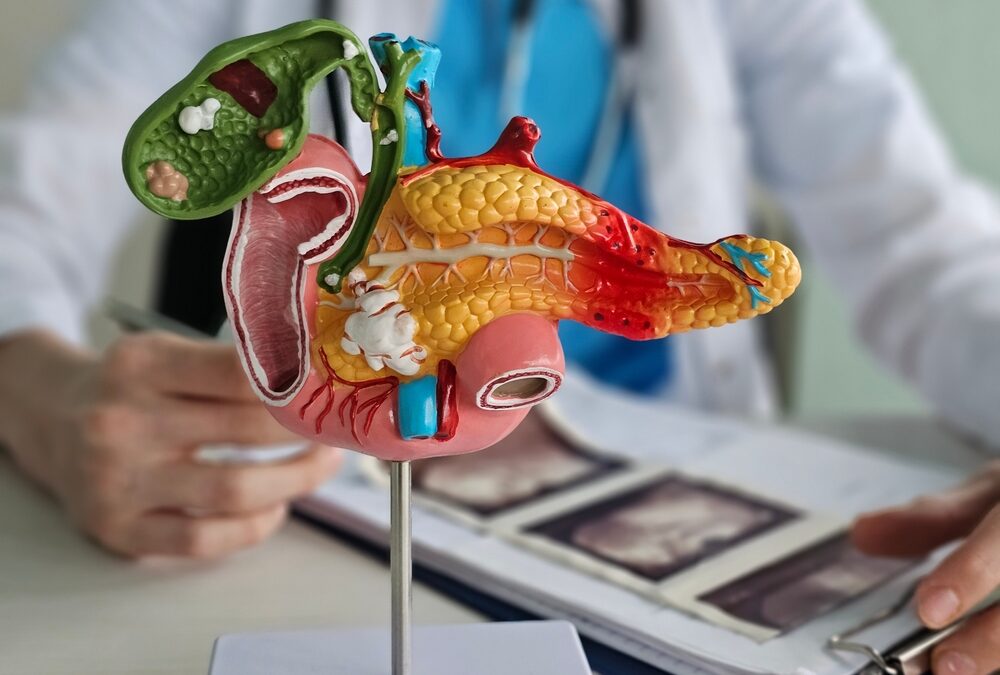
It comes down to whether they’re causing trouble. Plenty of gallstones sit quietly for years and never need touching, just the odd scan to keep an eye on them. The moment they start causing pain or complications, though, surgery becomes the safe call. Symptomatic stones are treated by taking out the gallbladder itself, an operation called cholecystectomy, which heads off emergencies like pancreatitis, infection, or jaundice.
According to the surgical team at Healing Touch Nursing Home, a leading Hospital in Mahishadal, “Most silent gallstones never need a knife. We step in once they start causing pain, blocking ducts, or triggering infection. Leaving it too long after that is what turns a routine case into an emergency.”
When Do Gallstones Need Surgery?
Sometimes a stone stops sitting quietly. That’s when the plan shifts from watching to removing. A few situations make the decision for you.
- Repeated pain attacks: Sharp pain in the upper right belly after a fatty meal, building over half an hour and dragging on for a couple of hours. Once these biliary colic episodes start repeating, removal is usually the advice.
- Inflammation or infection: A stone wedged in the gallbladder neck can inflame the whole organ. Constant pain, fever, tenderness to the touch. Cholecystitis like this needs surgery, not just painkillers.
- A blocked bile duct: When a stone slips into the common bile duct, bile backs up. Skin and eyes go yellow, urine turns dark. That jaundice is a warning sign you don’t sit on.
- Pancreatitis: A stone lodging where the bile and pancreatic ducts join can set off the pancreas. It brings intense, unrelenting pain and a hospital stay, and it’s exactly what timely surgery prevents.
When any of these turn up, gallbladder removal is the dependable fix.
Stuck with a gallstone diagnosis and unsure what’s next?
Which Gallstones Can Be Left Alone?
Here’s the reassuring side. Most gallstones never make it to an operating table. Loads of people carry them for life and never feel a thing.
- Silent stones: Picked up by accident on a scan done for something else, no pain, no symptoms. The large majority of these stay harmless, so doctors just keep watch with the occasional ultrasound.
- Small cholesterol stones: For select patients who can’t have surgery, bile-dissolving tablets can slowly shrink them. The catch is it takes months or years, and the stones tend to return once the tablets stop.
- Diet and weight: Easing off fatty, fried food and losing weight slowly can calm flare-ups and cut the odds of new stones forming. It eases symptoms though, it doesn’t dissolve what’s already sitting there.
- People unfit for an operation: When surgery carries too much risk, the approach turns to medication, a careful diet, and steady monitoring instead.
It’s the same wait-and-watch logic doctors apply to ovarian cysts, where the quiet ones get monitored rather than rushed into surgery.
Why Choose Healing Touch Nursing Home for Gallbladder Care?
Healing Touch Nursing Home runs a full general and laparoscopic surgery service, with an experienced surgical team focused on minimally invasive care. Most gallbladder cases are done by keyhole cholecystectomy, three or four small cuts and usually home within a day. Inflamed or complex cases are handled with open surgery when that’s the safer route.
The hospital is Swasthya Sathi empanelled, with a 24/7 ICU, on-site ultrasound, and an in-house pathology lab, so the scan, the surgery, and the recovery all happen in one place. No running between centres. Call +91 70762 47365 to book a gallbladder evaluation.
Not sure whether your stones need removing? Book an Appointment and get a straight answer after a proper workup.
Frequently Asked Questions
Can gallstones go away on their own?
Not really. A silent stone can sit quietly for years, but it won’t dissolve by itself.
What happens if gallstones are left untreated?
Once they turn symptomatic, ignoring them risks infection, a blocked bile duct, or pancreatitis. Any of those is far worse than the operation.
Is gallbladder removal a major operation?
Most are done by keyhole laparoscopy, with tiny cuts and a discharge within a day or two.
Can you live normally without a gallbladder?
Yes. Without it, bile trickles straight from the liver into your gut, and digestion barely notices the difference.
References
Gallstones — Mayo Clinic
Gallstones — NHS UK
Disclaimer: The information shared in this content is for educational purposes only and not for promotional use.
