
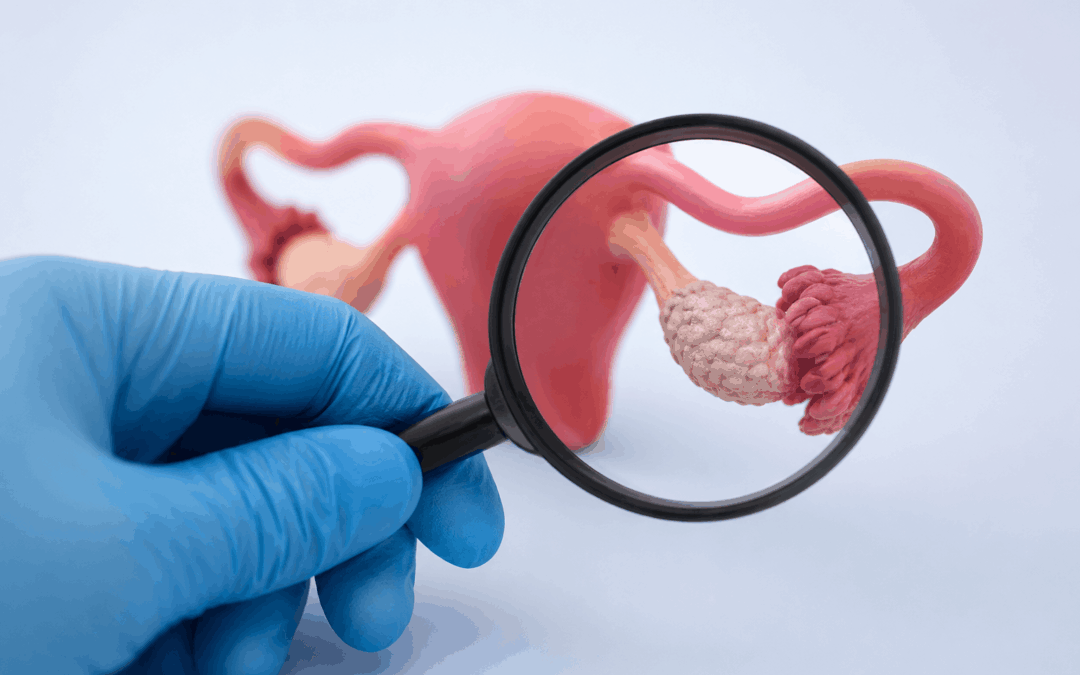
No, not all of them. Most ovarian cysts are functional, which means harmless, and they clear on their own within one to three menstrual cycles. For small, uncomplicated cysts, the standard call is wait-and-watch: a follow-up pelvic ultrasound to confirm it’s shrinking, nothing more. Surgery only enters the picture when a cyst turns large, persistent, painful, or looks suspicious on a scan.
According to Dr. G.S. Tunga, Hospital in Mahishadal, “Most ovarian cysts are harmless and clear on their own. We step in only when one grows large, refuses to shrink, or looks suspicious on a scan. For the rest, a follow-up ultrasound is all it takes.”
When Does an Ovarian Cyst Need Surgery?
A cyst crosses from “watch it” to “remove it” when it stops behaving like a simple functional one. These signs usually tip the decision.
- Large size: Anything past 5 to 6 cm that isn’t shrinking. Big cysts can twist, rupture, or press on nearby organs. Risk climbs the longer they sit.
- Persistent on scans: Still there after two or three cycles with no sign of shrinking. Functional cysts clear by then. One that doesn’t needs a closer look.
- Severe pain: Sudden, sharp pelvic pain, sometimes with nausea or fever. Could mean torsion or rupture. That’s an emergency, not a wait.
- Suspicious features: Solid areas, thick walls, or odd blood flow on ultrasound. Doctors don’t gamble on those. Removal and biopsy settle it.
That’s the point where cyst surgery becomes the safer route.
Which Cysts Go Away on Their Own?
Most cysts never reach the operating table. They form, do nothing, and fade within a cycle or two.
- Functional cysts: Follicular and corpus luteum cysts, part of normal ovulation. They shrink and vanish within one to three cycles, no treatment needed.
- Small and simple: Under 5 cm, thin-walled, fluid-filled, clean on the scan. A repeat ultrasound in six to eight weeks is usually all it takes.
- No symptoms: No pain, no bloating, no cycle changes. Often found by chance on a routine scan. Just track it, nothing more.
- Stable over time: Same size across two scans, not growing. Stable cysts rarely turn into anything. Monitoring beats operating here.
The wait-and-watch logic mirrors how doctors handle uterine fibroids, where monitoring often wins over surgery.
Why Choose Healing Touch Nursing Home for Ovarian Cyst Care?
Dr. G.S. Tunga runs gynae at the hospital. 17 years in gynecological and obstetric care, open and microsurgical both. Calcutta Medical College graduate, DGO from Bankura Sammilani. His default? Watch the simple ones, operate only when it’s truly needed.
Healing Touch Nursing Home is Swasthya Sathi empanelled with a 24/7 ICU, in-house pathology, and on-site ultrasound for quick diagnosis and follow-up scans. Everything under one roof, no running between facilities.
Not all ovarian cysts require surgery? Book an Appointment” at Healing Touch Nursing Home for a complete evaluation and personalised care plan.
Frequently Asked Questions
Can ovarian cysts go away without medicine?
Yes, most functional cysts clear on their own within one to three menstrual cycles.
What size of ovarian cyst needs surgery?
Cysts above 5 to 6 cm, or ones that keep growing, usually need surgical review.
Are ovarian cysts dangerous?
Most are harmless, but sudden severe pain can signal torsion or rupture and needs urgent care.
How are ovarian cysts monitored?
With repeat pelvic ultrasounds over a few cycles to track size and changes.
Disclaimer: The information shared in this content is for educational purposes only and not for promotional use.
