
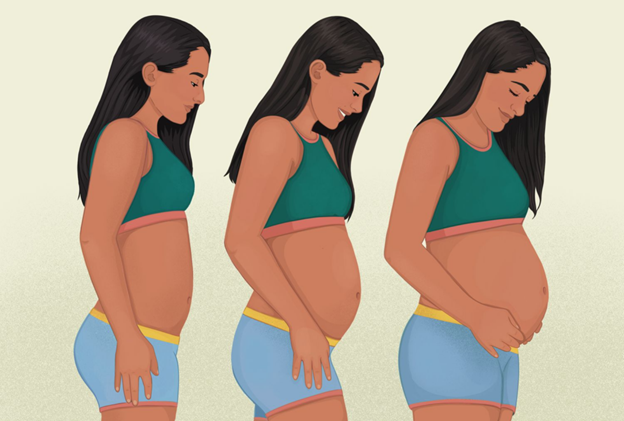
Pregnancy is a beautiful journey, and the first three months are among the most important stages for both the mother and the growing baby. During this period, the body goes through several physical and hormonal changes that require proper attention and care. Following healthy habits, attending regular prenatal check-ups with a gynecologist, and understanding your body’s needs can help ensure a smoother pregnancy experience.
Whether it is your first pregnancy or you have experienced pregnancy before, early care plays a major role in supporting your health and your baby’s development.
Understanding the First Trimester
First trimester is when the baby is in weeks 1-13. At the average of 5-6 weeks, most women discover they are pregnant. However, the baby development has already begun prior to this.
These weeks, your baby is a brand new baby! What to expect week-by-week:
- Week 4-5: The heart begins to develop and begin beating.
- They start to develop the brain, spinal cord and small buds on the arms and legs (Week 6-8).
- Week 9-10: Fingers begin to develop. The face starts to form.
- Week 12-13: All major organs are formed. Baby is approximately 6 to 7cm long.
This period is crucial, as organs are not only growing but are developing. When this occurs, if the body is unduly nourished or has an untreated infection or is exposed to harmful substances during this period, it can have an impact on the development of the baby. Some effects may not show up until later in pregnancy or after birth.
There are also changes in hormones during the first trimester. The hCG hormone increases to nurture the pregnancy. Progesterone keeps the uterus lining in place. Estrogen gradually increases. Most of the symptoms women experience in early pregnancy are due to the hormonal changes.
Early Signs and Symptoms of Pregnancy

The first trimester is unique for each woman. Many become very tired, nauseous, from week 4 onward. Some don’t feel anything until week 8 or 9. Both are normal. Your feelings say nothing about the good/bad workings of the pregnancy.
The first trimester symptoms include:
- Missed period: This is typically the first symptom. But, sometimes a late or missed period can also be caused by issues such as PCOS, thyroid disorders or stress. The only way to find out for sure is to have a pregnancy test.
- Nausea and vomiting: Approximately 70-80% of women get this during pregnancy. It can occur at any time of the day, and not only in the morning. Increases typically worsen starting at week 8-10 and improve by week 14.
- Breast tenderness: Your breasts may become sore, swollen or more sensitive than normal. This is due to increased hormone levels.
- Fatigue: Extreme fatigue is normal and to be expected. The placenta is developing and your body is making more blood. Get as much rest as is necessary.
- Urination: May need to use the bathroom more often. This occurs due to increased blood flow to the kidneys as well as the growing uterus compressing the bladder.
- Food aversions and cravings: Some foods you have previously liked may now seem repulsive or you may have a craving for certain foods you previously disliked. This may make it difficult to eat a healthy balanced diet for the first few weeks.
- Mood changes: Hormonal fluctuations may lead to irritability, mood swings and heightened emotional sensitivity. This is a normal phenomenon and typically resolves by the 2nd trimester.
Light spotting: If there is some light pink or brown discolouration around the period, it can be normal. Usually results from the embryo sticking to the wall of the uterus. But for heavy period with clots, medical attention should be sought within the same day.
If any symptom is unusual or suddenly worsens, see your doctor immediately.
Importance of Prenatal Care in the First 3 Months
Starting antenatal care before week 10 is one of the most important steps in early pregnancy. Many complications have no visible symptoms in the beginning. Twin pregnancies, a low-lying placenta, thyroid problems, and blood group issues can all be detected through routine tests, not by how you feel.
A typical first antenatal visit includes:
- Pregnancy confirmation: A blood test to confirm pregnancy and determine how many weeks along you are.
- Ultrasound scan at week 6 to 10: Checks the baby’s heartbeat, confirms the due date, identifies twins or triplets, and confirms the pregnancy is inside the uterus.
- Blood tests: These check for anaemia, blood group and Rh factor, thyroid function, blood sugar levels, HIV, syphilis, and hepatitis B and C.
- Blood pressure check: Recorded at the start so your doctor has a baseline to compare throughout the pregnancy.
- Folic acid and vitamins: Folic acid at 400 to 500 mcg daily is recommended from the start. Iron and vitamin D may be added based on your blood test results. Starting folic acid early is important because the baby’s spinal cord forms in the first six weeks.
- Risk assessment: Women with diabetes, high blood pressure, thyroid conditions, a history of miscarriage, or older maternal age are identified early for high-risk pregnancy care and closer monitoring.
Delaying your first visit means some conditions go undetected longer than necessary. Anaemia, gestational diabetes, and blood group incompatibility all need to be caught early so they can be properly managed.
Lifestyle Tips for a Healthy Pregnancy
Small daily choices during the first trimester have a direct effect on how the baby develops. These are practical steps every pregnant woman should follow.
- Take folic acid every day: Folic acid reduces the risk of serious spinal defects in the baby by up to 70 percent. Start as early as possible, ideally before conception. If you are already pregnant, begin right away.
- Eat a balanced, iron-rich diet: Include dal, green leafy vegetables, eggs, and fortified cereals in your daily meals. Avoid raw papaya, undercooked meat, and dairy products that are not pasteurised, as these can carry bacteria harmful to the baby.
- Drink enough water: Aim for 8 to 10 glasses of water every day. Not drinking enough water makes nausea worse, increases tiredness, and raises the risk of urine infections, which are more common during pregnancy.
- Get enough rest: Your body needs sleep to recover and support the pregnancy. First-trimester tiredness is real and physical. Rest is not optional.
- Avoid alcohol, tobacco, and self-medication: There is no safe amount of alcohol during pregnancy. Even common medicines bought without a prescription can harm the baby during this stage. Always check with your doctor before taking any tablet, capsule, or herbal remedy.
- Do light exercise only: Walking, light yoga, and swimming are generally safe for healthy pregnancies. Avoid heavy lifting, intense workouts, contact sports, and anything with a risk of falling or putting pressure on the stomach.
- Take care of your mental health: Ongoing stress and anxiety during pregnancy are linked to early labour and low birth weight. If you feel persistently anxious or overwhelmed, mention it to your doctor. It is a health concern that deserves attention.
Warning Signs You Should Never Ignore

Most pregnancies in the first trimester go smoothly. But certain symptoms are serious and need medical attention on the same day they appear. Do not wait and see.
Go to a doctor immediately if you notice:
- Heavy vaginal bleeding: Some light spotting can be normal, but bleeding that comes with clots, soaks a pad, or is accompanied by stomach pain needs urgent evaluation. It could indicate a threatened miscarriage or a pregnancy outside the uterus.
- Severe pain on one side of the stomach: Sharp pain on one side, especially with dizziness, shoulder pain, or fainting, can be a sign of an ectopic pregnancy, where the baby has developed outside the uterus. This is a medical emergency.
- High fever above 38.5 degrees Celsius: Infections during the first trimester can affect the baby’s brain and spinal development. A high fever should not be managed at home without medical guidance.
- Unable to keep food or water down for more than 24 hours: This goes beyond normal morning sickness. Severe and persistent vomiting, called Hyperemesis Gravidarum, causes dangerous dehydration and needs hospital treatment with fluids.
- No heartbeat found on the 8 to 10 week ultrasound: Sometimes a pregnancy stops developing without any outward signs. You may still feel pregnant. An ultrasound is the only way to confirm the baby is developing normally, which is why early scans are important.
- All pregnancy symptoms disappear suddenly before week 10: While symptoms do naturally ease around week 12, an abrupt stop before that, especially alongside any other concern, should be checked by a doctor.
Women with existing health conditions, previous miscarriages, or a history of pregnancy complications should be treated as high-risk cases and monitored more closely throughout the first trimester.
Conclusion
The first three months of pregnancy set the foundation for everything that follows. Starting prenatal care early, taking the right supplements, eating well, and knowing which warning signs to act on, these steps have a direct impact on the health of the pregnancy and the baby.
Do not wait until something feels wrong to book your first visit. Early care gives your doctor the information needed to support your pregnancy from the start.
Frequently Asked Questions
When should I see a doctor after a positive pregnancy test?
What vitamins are most important in the first trimester?
Is light spotting normal in early pregnancy?
Can I exercise during the first three months of pregnancy?
What foods should I avoid in the first trimester?
Disclaimer: The information shared in this content is for educational purposes only and not for promotional use.
