

You have probably heard people refer to themselves as having blown their “ACL.” They would be saying this with a grimace because this injury is commonly known to be one of the most common sports-related injuries. Just like that, with one wrong landing or pivoting move, your seemingly healthy knee gives out.
One of the first things that people who suffer from such injuries ask is whether they would need a surgery. To be honest, this all depends on various factors, which you should be aware of to make a right choice.
At Healing Touch Nursing Home, we encounter this injury frequently. Here is what you should know.
What Actually Happens When You Tear Your ACL?
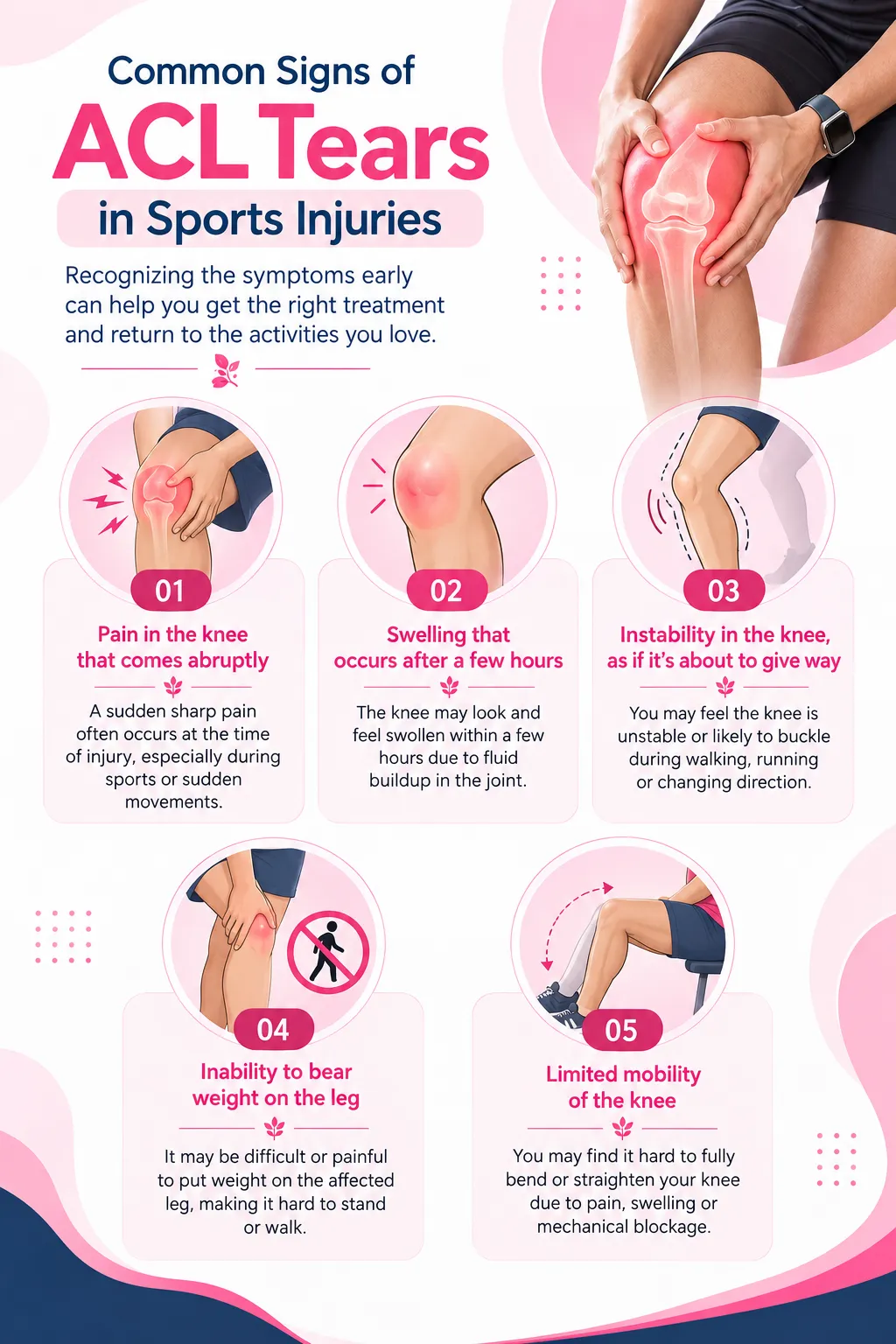
Most people know the moment it happens. There’s often a distinct pop, followed by:
● Pain in the knee that comes abruptly
● Swelling that occurs after a few hours
● Instability in the knee, as if it’s about to give way
● Inability to bear weight on the leg
● Limited mobility of the knee
However, all anterior cruciate ligament injuries are not alike. The ACL can be torn partially, torn fully, stretched, or not torn at all. In this case, it is quite crucial to take this difference into account while determining the treatment course.
Do You Always Need Surgery for an ACL Tear?
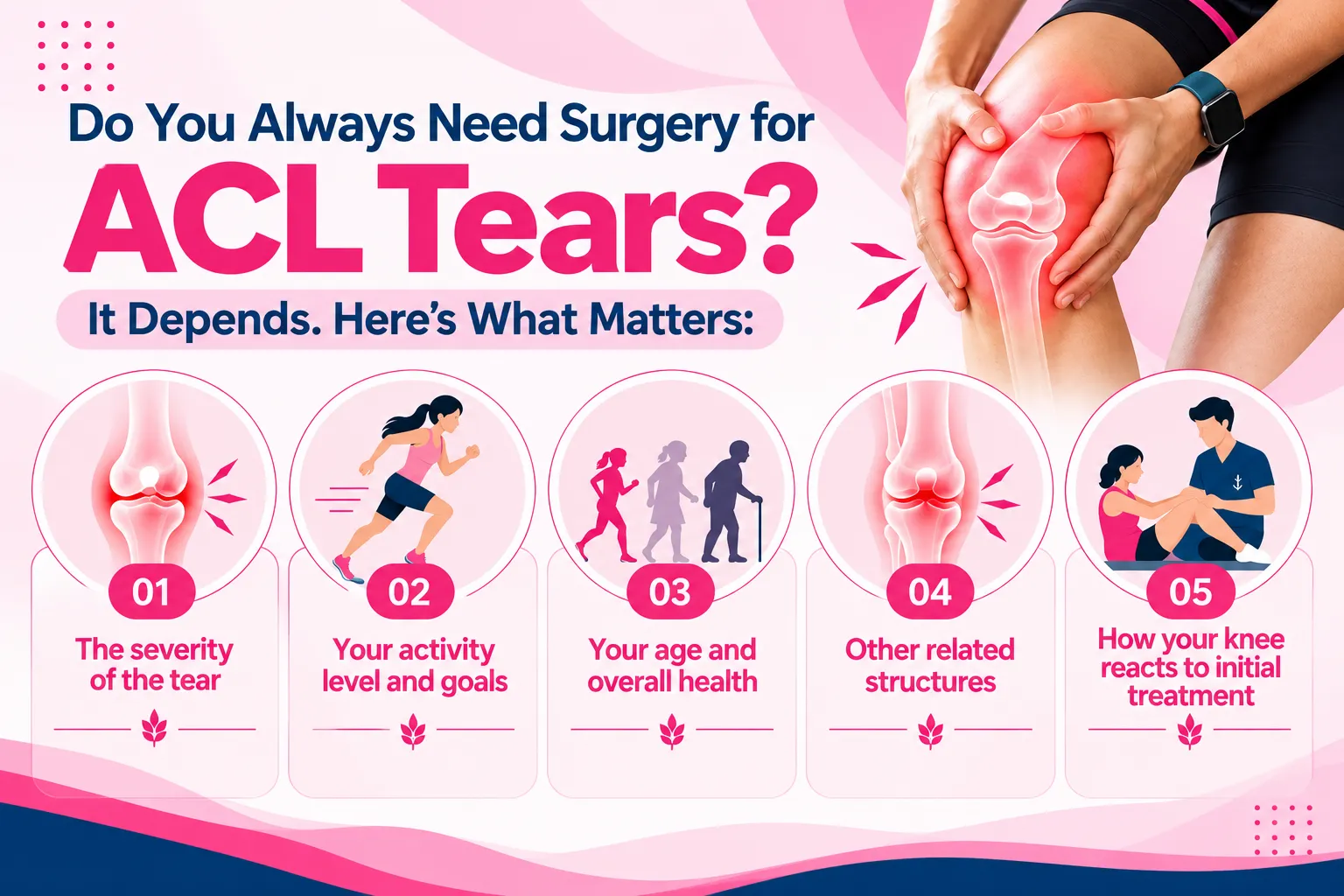
Absolutely not. And that usually surprises people. The necessity of surgery is not inevitable following every case of an ACL tear, and whether or not surgery should be performed is based on a number of considerations.
The severity of the tear. If there is only a partial tear which has not affected the stability of the knee, it might be better left untreated through surgery. On the other hand, a full tear is much more prone to require surgical intervention, particularly when the knee feels unstable in normal activities.
Your activity level and objectives. In case you are an athlete, planning to resume your training sessions that require a lot of pivoting, cutting, and high impact, you will need surgery because your reconstructed ligament will be more resistant to such activity. Some patients have no problems if their lives don’t require much activity.
Your age and overall health. Young, active patients prefer surgery because it provides more stability for a longer period of time. Old patients or those with health problems can be more cautious about surgery.
Other related structures. It is not common for tears of the ACL to occur by themselves. In cases where additional injuries occur to the meniscus or other ligaments, surgery will be considered more seriously due to the increased difficulty of rehabilitation.
How your knee reacts to preliminary treatment. Many people start out trying physiotherapy to see if they can avoid surgery by building up strength and stability in the joint. Other individuals realize that even with extensive rehab, their knee remains unstable.
Non-Surgical Treatment: What It Involves
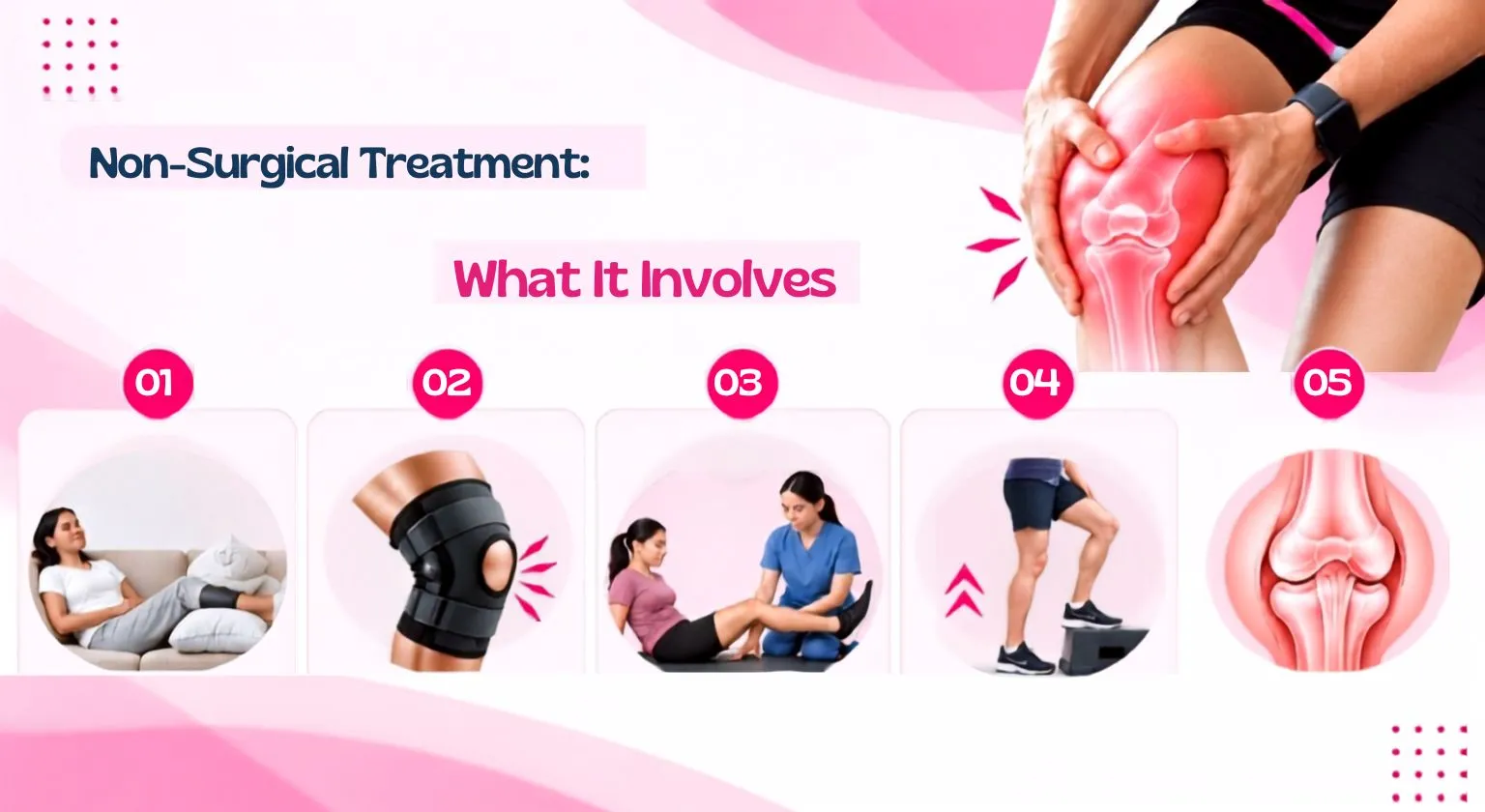
For a partial tear or a lower-activity lifestyle, a structured non-surgical plan can be genuinely effective. This typically includes:
- Rest and reduction in physical activities for the first few weeks until the swelling and pain settle.
- Braces provide external support to the knee and prevent any additional stress during its recovery process.
- Physiotherapy, which is actually the true backbone to nonsurgical healing. The program is designed to strengthen the muscles that surround the knee, mainly the quadriceps and hamstrings, so that they take up some of the responsibility of the ACL.
- Gradual resumption of physical activity, under the supervision of a physiotherapist, ensuring that the knee joint undergoes testing and strengthening gradually as opposed to immediately.
- It is important to state one thing however; surgery does not mend the torn ligament in any way. It strengthens muscles surrounding the knee joint such that it works without it. This is good enough for those who lead moderately active lives.
When Surgery Becomes the Better Option
Surgical intervention becomes an issue when it comes to the non-attainment of stabilization of the knee after undergoing rehabilitation treatment, after the identification of a complete tear or in the presence of other injuries in the knee that have to be taken into account. The surgical repair procedure for the ACL is arthroscopic reconstruction which involves the replacement of the torn ligament with a new one.
It is normal to get worried about surgery, but nowadays arthroscopic procedures involve fewer cuts and less trauma to the tissues compared to what people usually imagine.
Recovery Takes Time, Either Way
Whether surgery is required for your treatment or not, recovery from your ACL injury will not be immediate. Rehabilitation follows a stepwise process that begins with swelling reduction and restoration of mobility, and ends with strength, stability, and confidence. This rehabilitation process can never be rushed because one of the major causes of instability and re-injury is impatience.
In case you have an ACL injury, it’s highly advisable to begin with making a diagnosis first. With our orthopedic experts at Healing Touch Nursing Home, you’ll receive an evaluation of the degree of your tear and we’ll recommend to you either the surgical or nonsurgical approach.
Get it examined properly. Connect with our orthopedic team at Healing Touch Nursing Home for the right diagnosis and treatment plan.
Frequently Asked Questions
Can an ACL tear heal on its own without surgery?
However, the ligament itself will not simply reattach or heal to its full strength again. But through the use of proper physiotherapy, many people will be able to stabilize themselves well enough to engage in regular activities without surgery.
How do I know if my ACL tear is partial or complete?
But the period of recovery differs for each individual, and you will be required to undergo the process of rehabilitation for several months before you can start competing in the sport.
Is arthroscopic ACL surgery a big operation?
This particular surgery is considered to be minimally invasive in its nature. It means that there will be smaller incisions involved which leads to less pain, fewer scars, and fast recovery compared to other kinds of surgeries.
How long does it take to recover from ACL surgery?
But the time to recover varies and you will have to go through the rehabilitation process for several months until you become ready to compete again in the sport.
What if I leave my unstable ACL tear untreated?
The instability could lead to additional injuries of the knee, including the injury of the meniscus and cartilage along with early deterioration of the joint. That is why it is crucial to examine your knee even though there is no need to perform any kind of surgery.
Disclaimer: The blog is for educational purposes only and not for promotional use.
